.png)
Transforming Education with Robotics and AI Workshops
- ARC LAB'S
- Nov 12, 2025
- 5 min read

Education is undergoing a significant transformation, driven by advancements in technology. Among these, robotics and artificial intelligence (AI) stand out as powerful tools that can enhance learning experiences. Workshops focusing on these technologies are not just about teaching students how to code or build robots; they are about fostering creativity, critical thinking, and problem-solving skills. This blog post explores how robotics and AI workshops are reshaping education and preparing students for the future.
The Importance of Robotics and AI in Education
Preparing for the Future Job Market
The job market is evolving rapidly, with many traditional roles being replaced by automation and AI. According to a report by the World Economic Forum, over 85 million jobs may be displaced by shifts in labor between 2020 and 2025. However, the same report suggests that 97 million new roles may emerge that are more adapted to the new division of labor between humans, machines, and algorithms.
This shift highlights the need for educational institutions to prepare students for a future where technology plays a central role. Robotics and AI workshops equip students with the skills they need to thrive in this changing landscape. By engaging with these technologies, students learn to think critically and creatively, skills that are essential in any career.
Enhancing Learning Experiences
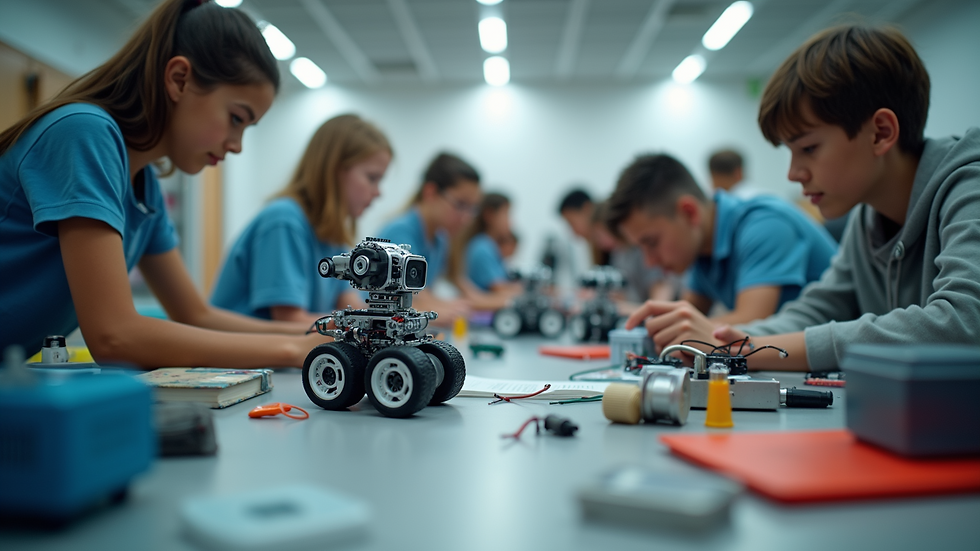
Robotics and AI workshops provide hands-on learning experiences that traditional classroom settings often lack. Students are not just passive recipients of information; they become active participants in their learning. This engagement leads to deeper understanding and retention of knowledge.
For example, when students build a robot, they learn about engineering principles, programming, and teamwork. They encounter challenges that require problem-solving and critical thinking, skills that are invaluable in any field. These workshops also encourage collaboration, as students often work in teams to design and build their projects.
Key Components of Effective Robotics and AI Workshops
Hands-On Learning
The most effective workshops are those that emphasize hands-on learning. Students should have the opportunity to work directly with robotics kits and AI tools. This practical experience helps solidify theoretical concepts and makes learning more enjoyable.
For instance, a workshop might involve students programming a robot to navigate a maze. This task requires them to apply their knowledge of coding and robotics while also encouraging them to think critically about how to overcome obstacles.
Interdisciplinary Approach
Robotics and AI are inherently interdisciplinary, combining elements of science, technology, engineering, and mathematics (STEM). Workshops that integrate these subjects can provide a more comprehensive learning experience.
For example, a workshop could include lessons on the physics of motion, the mathematics of algorithms, and the ethical implications of AI. This approach not only makes learning more relevant but also helps students see the connections between different fields of study.
Focus on Problem-Solving
Workshops should encourage students to tackle real-world problems using robotics and AI. This focus on problem-solving helps students develop critical thinking skills and prepares them for future challenges.
For instance, students could be tasked with designing a robot that can assist in disaster relief efforts. This project would require them to consider various factors, such as the robot's mobility, the types of sensors needed, and how it can communicate with humans. By addressing these challenges, students learn to think creatively and develop innovative solutions.
Case Studies: Successful Robotics and AI Workshops
Case Study 1: FIRST Robotics Competition
The FIRST Robotics Competition is a global program that engages students in designing and building robots to compete in challenges. Teams of students work together to create robots that can perform specific tasks, such as navigating obstacles or scoring points in a game.
This program not only teaches students about robotics and engineering but also emphasizes teamwork, communication, and project management. Many participants report increased interest in STEM fields and improved problem-solving skills as a result of their involvement.
Case Study 2: AI for Kids Workshops
AI for Kids is an initiative that aims to introduce young learners to artificial intelligence concepts in a fun and engaging way. Workshops typically involve hands-on activities where students create simple AI models using user-friendly platforms.
For example, students might build a chatbot that can answer questions about a specific topic. This project teaches them about natural language processing and machine learning while also encouraging creativity and collaboration.
Challenges in Implementing Robotics and AI Workshops
Resource Limitations
One of the main challenges in implementing robotics and AI workshops is the availability of resources. Schools may lack the funding to purchase robotics kits or AI software, limiting their ability to offer these programs.
To overcome this challenge, schools can seek partnerships with local businesses or organizations that specialize in technology. Grants and crowdfunding campaigns can also provide the necessary funding to support these initiatives.
Teacher Training
Another challenge is ensuring that educators are adequately trained to teach robotics and AI concepts. Many teachers may not have a background in these fields, making it difficult for them to guide students effectively.
Professional development programs can help teachers gain the skills and knowledge they need to lead robotics and AI workshops. Collaborating with local universities or tech companies can also provide valuable training opportunities.
The Future of Robotics and AI in Education
Expanding Access to Technology
As technology continues to advance, it is essential to ensure that all students have access to robotics and AI education. This means not only providing resources but also creating inclusive environments where all students feel empowered to participate.
Programs that target underrepresented groups in STEM can help bridge the gap and ensure that diverse voices are included in the conversation about technology's future.
Lifelong Learning
The rapid pace of technological change means that education cannot stop at the classroom door. Lifelong learning will become increasingly important as individuals need to adapt to new tools and technologies throughout their careers.
Robotics and AI workshops can play a crucial role in fostering a culture of continuous learning. By instilling a love for technology and problem-solving in students, these workshops can encourage them to seek out new learning opportunities long after they leave school.
Conclusion
Robotics and AI workshops are transforming education by providing students with the skills they need to succeed in a technology-driven world. These workshops foster creativity, critical thinking, and problem-solving abilities, preparing students for the challenges of the future.
As we look ahead, it is crucial to continue expanding access to these programs and ensuring that all students have the opportunity to engage with robotics and AI. By doing so, we can empower the next generation to innovate and thrive in an ever-changing landscape.
The future of education is bright, and robotics and AI are at the forefront of this transformation. Embracing these technologies will not only enhance learning experiences but also prepare students for a world where technology and human ingenuity go hand in hand.


Comments